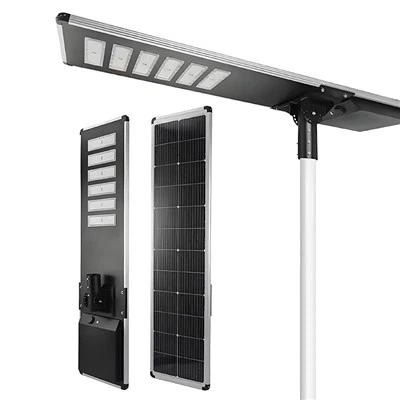
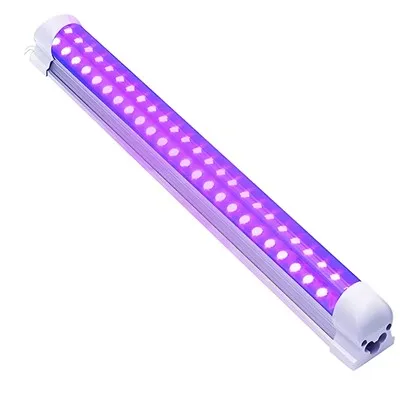
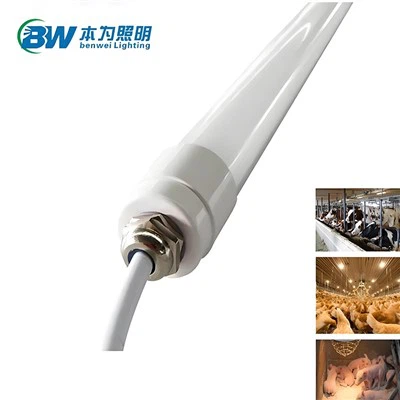
Outdoor floodlights are tough lights that illuminate the exteriors of residential and commercial buildings from a broad angle. Floodlight applications include washing a building's outside walls, illuminating the front or rear yard, and serving as security lights. These lights must be effective, robust, and energy-efficient because they are used outside and have a broad beam. The two most common types of floodlights in recent years have been Halogen and LED floodlights. Therefore, we may review and compare the two types of lighting. The uses for these two sets of lights are the same, but their capabilities and advantages vary. Let's look at it now.
Halogen floodlights
Before LEDs, halogen outdoor lighting was the more eco-friendly option to incandescent lighting. Halogen lighting does offer certain advantages of its own. They have exceptionally good color rendering, immediate on, and brightness. They are excellent outdoor floodlights when coupled with a motion sensor. The best lights would be halogen floodlights with motion sensors since they can use immediate on and have lesser energy efficiency issues. Halogen lights' heat dissipation, color selections, and general efficiency would be considered their primary drawbacks.
LED lights vs Halogen
LED floodlights perform 85% better than halogen floodlights in terms of energy efficiency. The Watts consumed by the LED will be substantially less when both lights are producing the same amount of brightness. Floodlights may come in a variety of hues thanks to LED technology, whereas Halogen is primarily limited to yellow light. Due to their many color choices, LED outdoor lights may be utilized not only for protection but also for decoration.
Technical Differences
The heat loss
The primary problem with halogen lamps is the way they generate heat. They can provide a fire danger in a confined space since they become about two times as hot as conventional incandescent lights. This is caused by the way they are built, the gas inside of them, and how they function. While their architecture does enable them to provide consistently brilliant beams with a high CRI, it also makes them significantly less efficient than LEDS in terms of total efficiency. LEDs have a far longer lifespan and a lot reduced safety risk than halogens, and their heat loss is significantly less.
Replacing Halogen with LEDS
LEDS are often fairly easy to install in place of halogen. The voltage is the most important factor to watch out for, especially if you utilize a dimmer switch. The lights should fit in easily after the proper dimmer switch for the LED has been found. A lower wattage LED will likely generate the same amount of light as a greater wattage Halogen floodlight in terms of brightness. This is why it's crucial to pay attention to the LED floodlight's quoted lumens.
What Halogen Floodlight Replacement LED Is Best?
A great outdoor alternative to halogen floodlights is the Benwei 100W RGB Floodlight. This is as a result of their wide beam, several color schemes, and lighting effects. They are among the best house exterior floodlights available thanks to these features and an unmatched level of energy economy.
There are 16 various color options, including strobe, fade, etc., on this 100W outdoor floodlight. The 5000K daylight beam setting is the light's most notable beam characteristic. Consequently, this will produce enough contrast at night to serve as a security light. The key to effective outdoor lighting is having alternatives, which this Floodlight offers in spades.
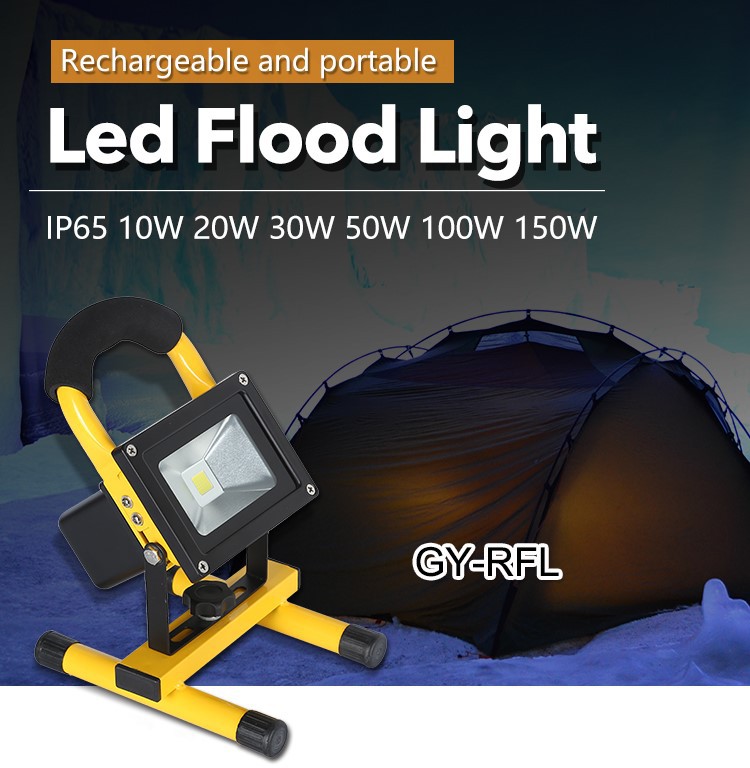
|
Product name |
Benwei Led Flood Light |
|
LED power |
100W/200W/300W |
|
CCT |
3000K-6000K |
|
CRI |
>60 |
|
Housing material |
Aluminum |
|
Adaptor |
Wall charger and Car charger |
|
Working Temperature |
-25 ℃ to 50 ℃ |
|
Beam Angle |
120 ℃ |